Blackjack is widely regarded as a casino game where player decisions directly shape the final outcome rather than relying entirely on blind luck. While beginners often start by memorizing standard move charts, achieving long-term consistency requires a deeper shift toward structured tactical adaptation. By moving past rigid rules and focusing on conditional probabilities, players can significantly refine their approach at the tables.
Building a Strong Foundation Beyond Basic Rules
The first step toward securing steady results involves transitioning from casual play to a disciplined mathematical framework. Standard strategy charts provide the correct theoretical move for every hand value, yet true consistency depends on executing these choices without emotional interference. Eliminating instinctual decisions prevents common pitfalls, such as standing on weak totals out of fear of busting.
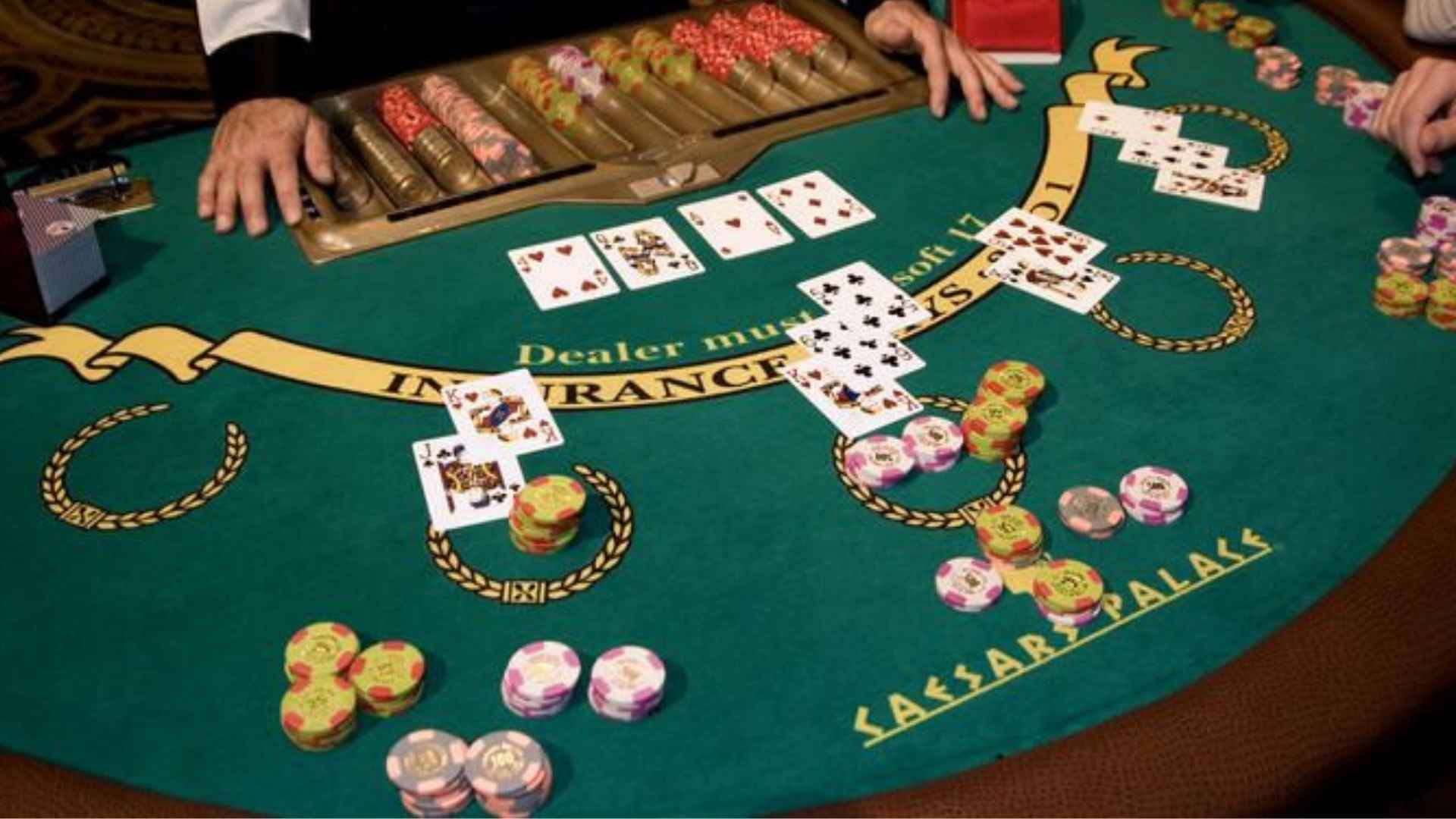
For instance, understanding the strict guidelines that rule how a dealer must hit or stand allows players to accurately predict table volatility. Consistently applying optimal choices on hard totals or tricky soft hands forms the defensive wall of your entire session. To explore more about competitive gaming and sports insights, checking out reliable platforms like Mansion Sports can provide valuable context for structured skill development.
Mastering Advanced Split and Double Down Opportunities
Once the baseline guidelines become second nature, maximizing profitability relies on isolating high-value wagering windows. Experienced players closely evaluate the dealer's visible upcard before choosing to split pairs or double their active stakes. Splitting a pair of Aces or 8s remains a universal standard because it fundamentally alters a weak initial position into two progressive paths.
Conversely, doubling down is a powerful offensive tactic when your initial two cards total a hard 10 or 11 against a struggling dealer. This calculated approach leverages statistical advantages to maximize returns while keeping overall table risks fully managed. Avoiding minor tactical errors during these critical junction points separates persistent winners from casual participants.
The Critical Role of Composition Dependent Decisions
As your experience grows, refining your tactics means looking closely at the exact combination of cards that form your current hand. Traditional total-dependent play only looks at the overall numeric sum, whereas advanced systems consider the specific cards in play. For example, a three-card 16 might warrant a stand against a dealer's 10, while a two-card 16 generally requires a hit or surrender.
This slight shift in evaluation accounts for the remaining card distribution left inside the active deck. Recognizing these subtle variations allows you to shave off additional fractions from the house edge over extended sessions. Implementing these highly specialized tactical adjustments transforms the game into a dynamic exercise of analytical precision.
Strict Budget Control and Mental Endurance
No amount of technical expertise can rescue a player who lacks absolute control over their available session funds. Establishing a clear bankroll boundary before sitting at a digital or physical table ensures that temporary downswings do not damage your finances. A disciplined approach limits individual hand wagers to a tiny percentage of your total reserves.
Maintaining absolute psychological clarity allows you to adhere strictly to proven percentages rather than chasing frustrating losses. Knowing when to step away from the table is just as vital as knowing how to play a complex hand. Combining deep tactical knowledge with unwavering self-control creates a sustainable and rewarding gaming habit.