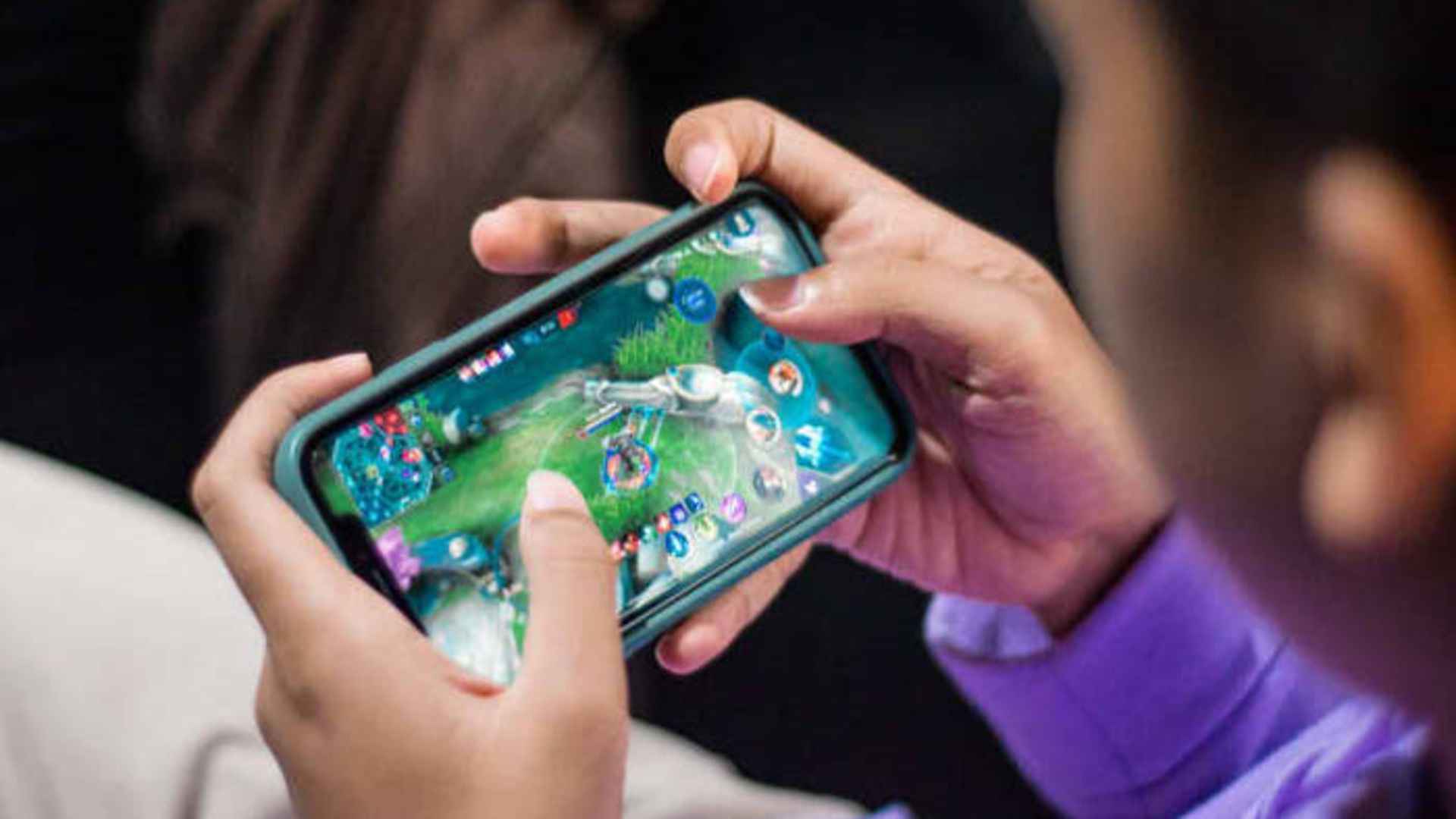
The landscape of modern digital entertainment has evolved significantly, shifting from solitary achievements to sophisticated environments that demand collective success. In these complex virtual worlds, players are no longer just reacting to obstacles but are actively guiding their teams through strategic crisis management. This evolution has turned casual gaming into a powerful incubator for developing adaptive real-time guidance skills.
The Evolution of Shared Directives
Modern game design increasingly prioritizes mechanics that reward structured team delegation over individual excellence. When facing intricate virtual environments, success depends on a clear division of responsibilities and fluid communication. These shared ecosystems require participants to maintain mutual trust while executing complex tactical maneuvers under extreme pressure.
As digital challenges scale in difficulty, the need for flexible organizational structures becomes absolute. Teams must learn to synchronize their distinct player capabilities to overcome artificial intelligence obstacles or opposing groups. This dynamic shifts the focus of multiplayer engagement toward sustainable, long-term collaboration.
Cultivating Adaptability Under Pressure
Dynamic gaming environments simulate high-stakes scenarios that require immediate analytical thinking and decisive action. Leaders within these spaces must continuously monitor resource allocation and adjust their strategy as conditions shift. This ongoing practice sharpens cognitive flexibility and improves overall group coordination efficiency.
To explore modern networks that support these collaborative structures and digital options, players can access the m88 link mobile platform for various interactive features. Utilizing these specialized virtual hubs helps communities stay connected across diverse regional setups. Ultimately, navigating these fast-paced environments prepares individuals to handle complex interpersonal dynamics outside the gaming space.
Building Trust and Community Bonds
Sustainable team performance relies heavily on establishing a shared culture where every member feels valued and supported. Successful group operations implement clear milestone tracking and open dialogue to minimize conflict during intense matches. This focus on mutual accountability transforms random lobbies into deeply integrated gaming communities.
Veteran players often play a crucial role by mentoring newcomers and easing them into advanced tactical roles. This supportive structure ensures that knowledge is shared continuously, maintaining high levels of engagement across different experience levels. By fostering these strong relationships, multiplayer platforms become vibrant spaces for meaningful personal growth.