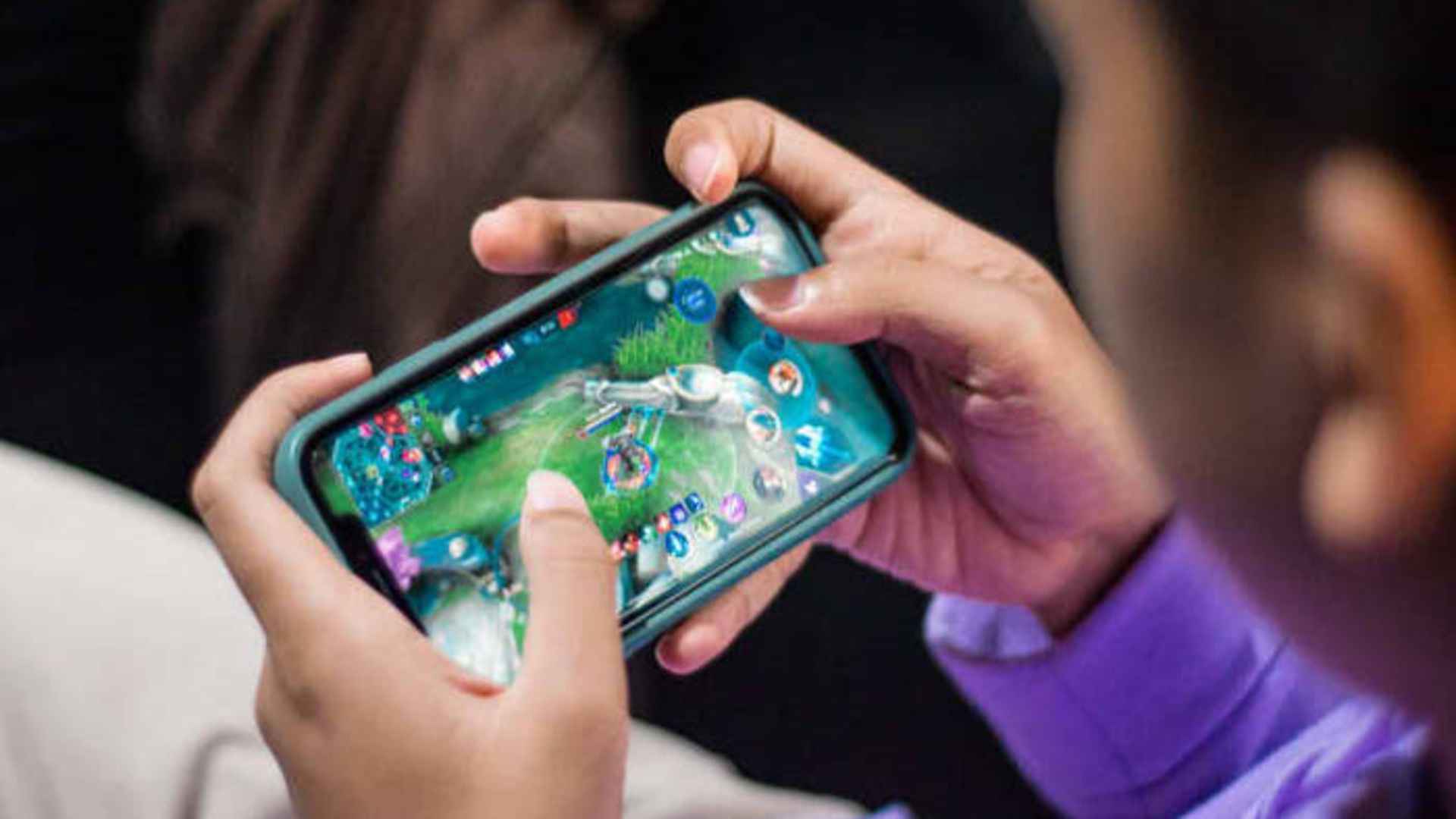
Modern multiplayer video games are no longer just about completing linear missions or achieving the highest individual score. Instead, developers are increasingly focused on how virtual environments can foster genuine social bonds and cooperative gameplay among diverse communities. One innovative approach involves using unpredictable cooperative milestones to encourage players to interact more deeply with one another.
The Social Dynamics of Shared Surprise
When gaming groups experience an unexpected event together, it creates a powerful sense of mutual excitement and camaraderie. Traditional fixed milestones often lead to predictable patterns where players focus purely on individual progression mechanics. In contrast, surprise drops require teams to communicate dynamically and adapt their strategies on the fly.
Psychological research suggests that experiencing uncertain positive outcomes as a group strengthens collective memory and trust. These shared moments quickly become stories that community members discuss long after the gaming session ends. By breaking the monotony of standard routines, surprise events lay the foundation for lasting digital friendships.
Encouraging Collaborative Mechanics
To maximize social interaction, contemporary game designers are engineering reward systems that directly benefit the entire group rather than a single user. For instance, when a team unlocks a hidden treasure chest, distributing unique items to every participant ensures everyone feels valued. This collaborative structure reduces unhealthy competition and minimizes friction between casual and hardcore players.
Furthermore, these random mechanics encourage veterans to assist newcomers who might be struggling with difficult challenges. When the entire group stands a chance to receive rare bonuses, helping others becomes a highly rewarding endeavor. Players searching for seamless digital platforms can access the m88 link mobile to explore various interactive entertainment environments designed for community engagement.
Balancing Fairness and Group Incentives
Implementing randomness in community-focused games requires a careful approach to ensure the system remains fair and transparent. If distribution systems feel heavily biased or entirely arbitrary, they can quickly generate community frustration instead of building trust. Developers must establish clear parameters so that group efforts are genuinely recognized and rewarded.
Providing a balanced distribution of common and rare items helps maintain long-term user satisfaction. When players know that their collective dedication eventually yields meaningful rewards, they are far more likely to remain active over extended periods. A transparent structure ensures that the excitement of uncertainty never compromises the integrity of the gameplay loop.
The Future of Community Engagement
As interactive technology continues to evolve, the integration of smart allocation algorithms will become even more sophisticated. Future digital ecosystems will likely tailor surprise incentives based on how well a team collaborates or communicates during challenges. This shift will transform random drops from simple participation tokens into meaningful symbols of teamwork.
Ultimately, building stronger player connections relies on creating environments where people feel united by shared experiences. Unpredictable reward structures offer a proven method to keep digital interactions fresh, exciting, and deeply cooperative. By prioritizing social cohesion, developers can cultivate vibrant virtual worlds that stand the test of time.