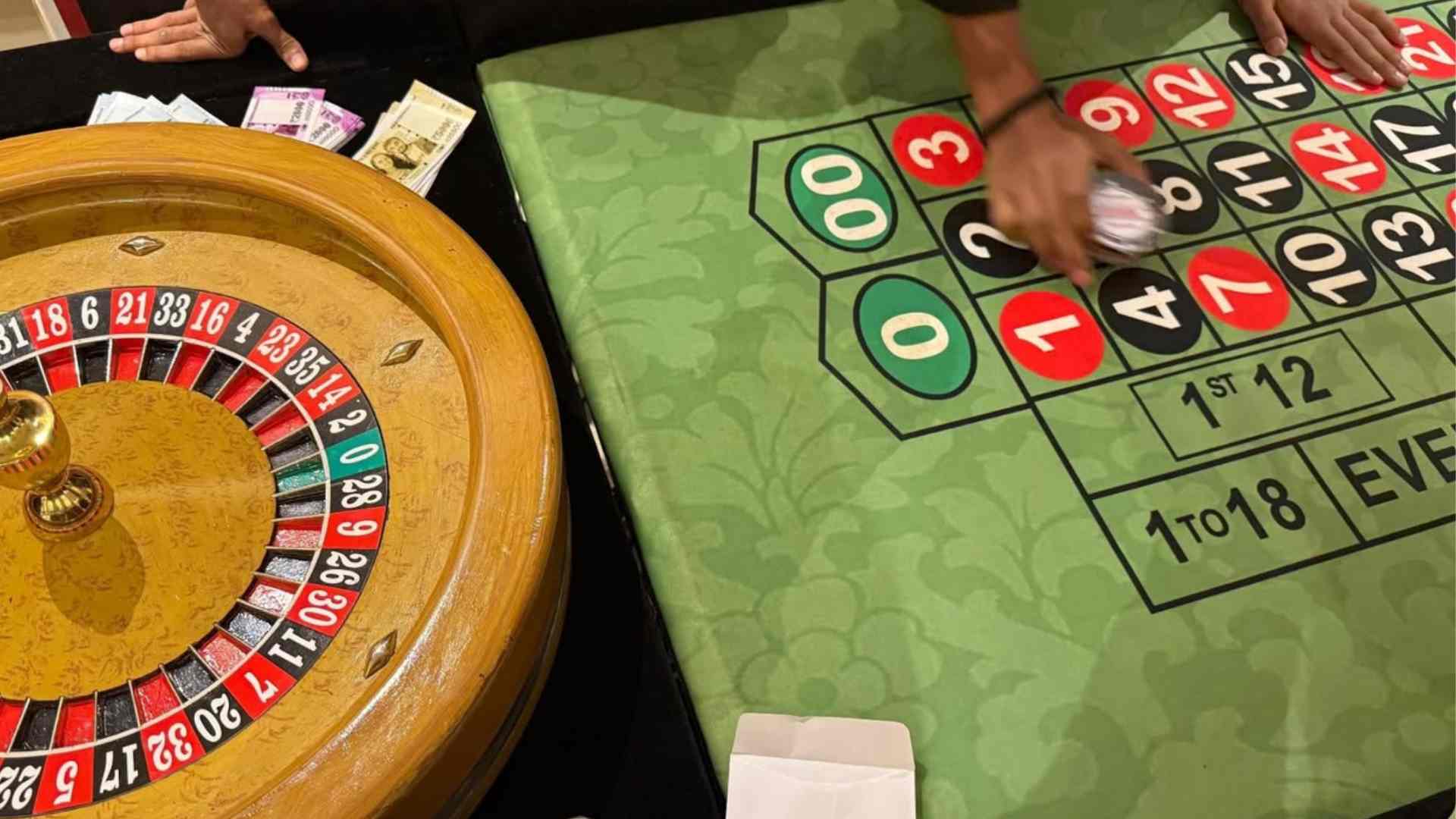
Re-rolling mechanics have become a fundamental design element across modern digital and tabletop board games, providing players with a second chance to alter uncertain outcomes. By allowing players to discard unfavorable results in search of higher values, designers introduce a dynamic layer of risk management. Understanding the mathematical principles driving these systems reveals how subtle rule adjustments can dramatically alter winning odds and player strategy.
The Core Probability Shift of Second Chances
When a game allows a re-roll, it fundamentally alters the probability distribution of outcome values. For instance, on a standard six-sided die, rolling a specific target number carries a basic one-in-six chance. Introducing a re-roll mechanism increases the cumulative probability of success because a player evaluates two independent events sequentially.
Mathematically, the probability of failing twice decreases rapidly as the number of available re-rolls expands. This shift raises the expected average value of any given turn, allowing players to plan strategies around higher baseline expectations. Consequently, designers must carefully balance re-roll frequency to maintain meaningful game tension without rendering challenges trivial.
Conditional Probability and Expected Value
Strategic decision-making in modern dice games relies heavily on calculating conditional probability before choosing which dice to hold. Players evaluate the expected value of keeping current results versus the potential gain or loss of rolling again. This calculation depends entirely on how many dice are kept and the specific scoring thresholds required by the game state.
For example, gamers who study analytical approaches across various interactive platforms, including those analyzed on m88 thai, recognize that optimal decisions require weighing risk against statistical variance. Retaining high-value dice while re-rolling low values significantly shifts the probability curve toward favorable totals. Knowing the exact mathematical tipping point prevents unnecessary risk-taking during crucial turns.
Mitigating Bad Variance and Protecting Agency
Pure randomness can sometimes lead to frustrating outcomes that undermine player skill and strategic execution. Re-rolling mechanics act as a mathematical buffer against extreme negative variance, ensuring that luck does not entirely dictate victory. By giving players agency over their dice pools, game systems preserve tactical depth while maintaining excitement.
This mitigation of bad variance changes how players perceive fairness in competitive environments. When players know they possess mechanisms to correct poor rolls, they feel more in control of their overall performance. Thus, re-rolling systems effectively blend random probability with strategic mastery.
Designing Balanced Re-Roll Mechanics
Game developers utilize several mathematical models to limit the power of unlimited re-rolls within modern game loops. Common restrictions include spending limited resources, taking penalty damage, or allowing re-rolls only on specific die faces. These constraints force players to calculate whether the marginal increase in success probability justifies the associated resource cost.
Ultimately, the mathematics of re-rolling enriches the gaming experience by creating meaningful decision points under uncertainty. As game design continues to evolve, mathematical probability remains the invisible engine that balances luck, skill, and player engagement.